
An Agricultural Resilience Strategy for AGRA's 2030 Strategy
Conducted across AGRA's 11 stakeholder countries, this study provided valuable insights and guidance to enable AGRA to integrate resilience measures and key adaptation instruments into its Strategic Framework 2030 (SF 2030) and Strategic Implementation Plan (SIP) 2022–2026.
A key outcome was the development of a farm and SME-level resilience index to track resilience outcomes at the top level of AGRA's work and measure progress over time. The study identified critical resilience issues including key stressors and shocks affecting smallholder agriculture and the broader agricultural sector.
Key Outcomes

Minimizing Vulnerabilities of Coastal Cities & Communities in Africa
This pilot project produced the most up-to-date analysis of the physiographic, social, and economic impacts of climate change on the African coastal zone, utilizing state-of-the-art techniques and methodologies.
The project enhanced the knowledge and capacity of African coastal cities and adjoining communities, enabling them to prioritize, plan, and implement effective adaptation measures against the impacts of climate change. It facilitated networking, experience exchange, and knowledge sharing while laying the groundwork for necessary legal and administrative frameworks.
Key Outcomes
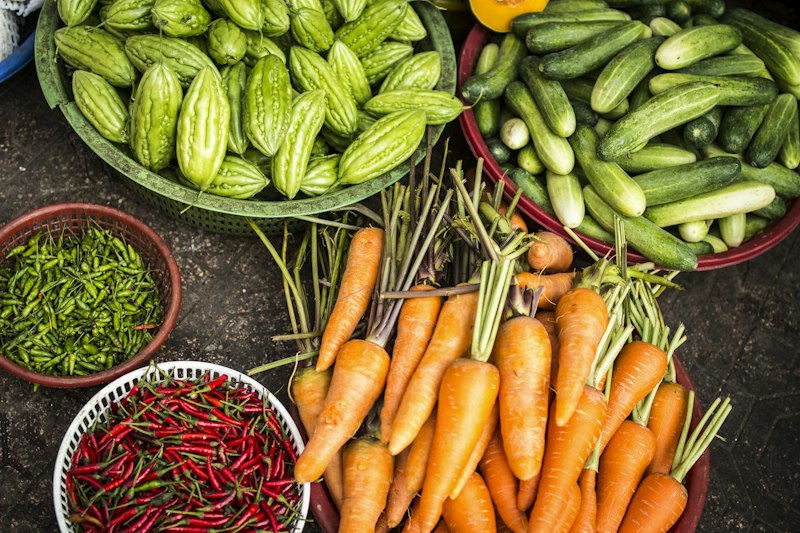
National Agricultural Resilience Framework (NARF) Nigeria
The NARF was initiated to respond to the need to assure food and nutritional security in Nigeria, eradicate rural poverty, and create social stability. The study focused on developing policies and institutions needed to enhance the ability of individuals, households, and production systems to recover from shocks and stresses on the agriculture sector induced by the changing climate.
The study offers a well-articulated national policy outlining short- and long-term strategies to reduce food and nutrition vulnerability while enhancing environmental resilience.
Key Outcomes
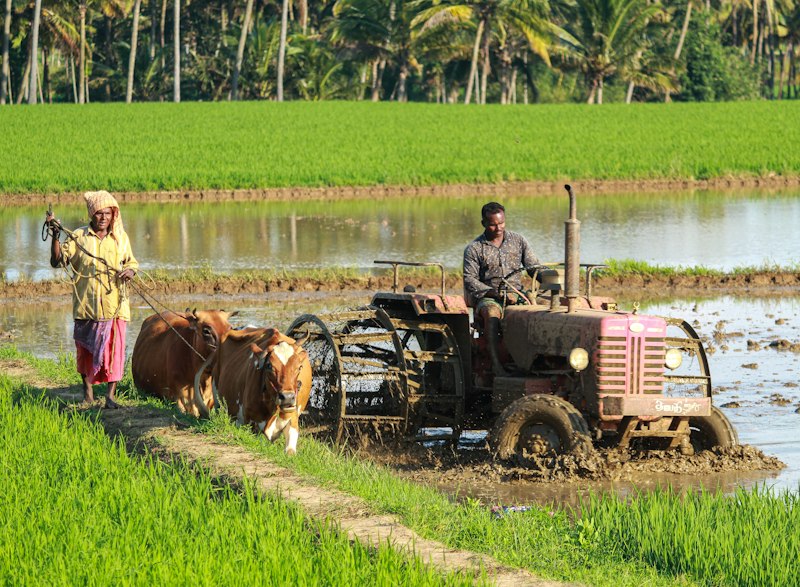
Economic Impact of Climate Change on Priority Agricultural Value Chains in West Africa
This study produced state-of-the-art synthesis information on current and future scenarios of the impacts of climate change on two agricultural value chains — cereals and livestock — in West Africa, to assist value chain actors and investors in making informed decisions on sound adaptation strategies.
The study also identified financing and other mechanisms available to value chain actors to enable them to respond to critical and vulnerable phases of the value chains, addressing implications for up-scaling climate smart agricultural solutions.
Key Outcomes
Intended Nationally Determined Contributions: Opportunities for Investment in Agriculture in Nigeria
This project sought to improve awareness and encourage the participation of farmers and stakeholders in the agricultural sector in the implementation of INDCs in West Africa, taking Nigeria as a case study.
We produced a simplified version of Nigeria's INDC and its implications for farmers and potential investment in agriculture, and developed recommendations for an action plan to support farmers, private sector players, and other stakeholders to participate in the implementation of the INDCs.
Key Outcomes
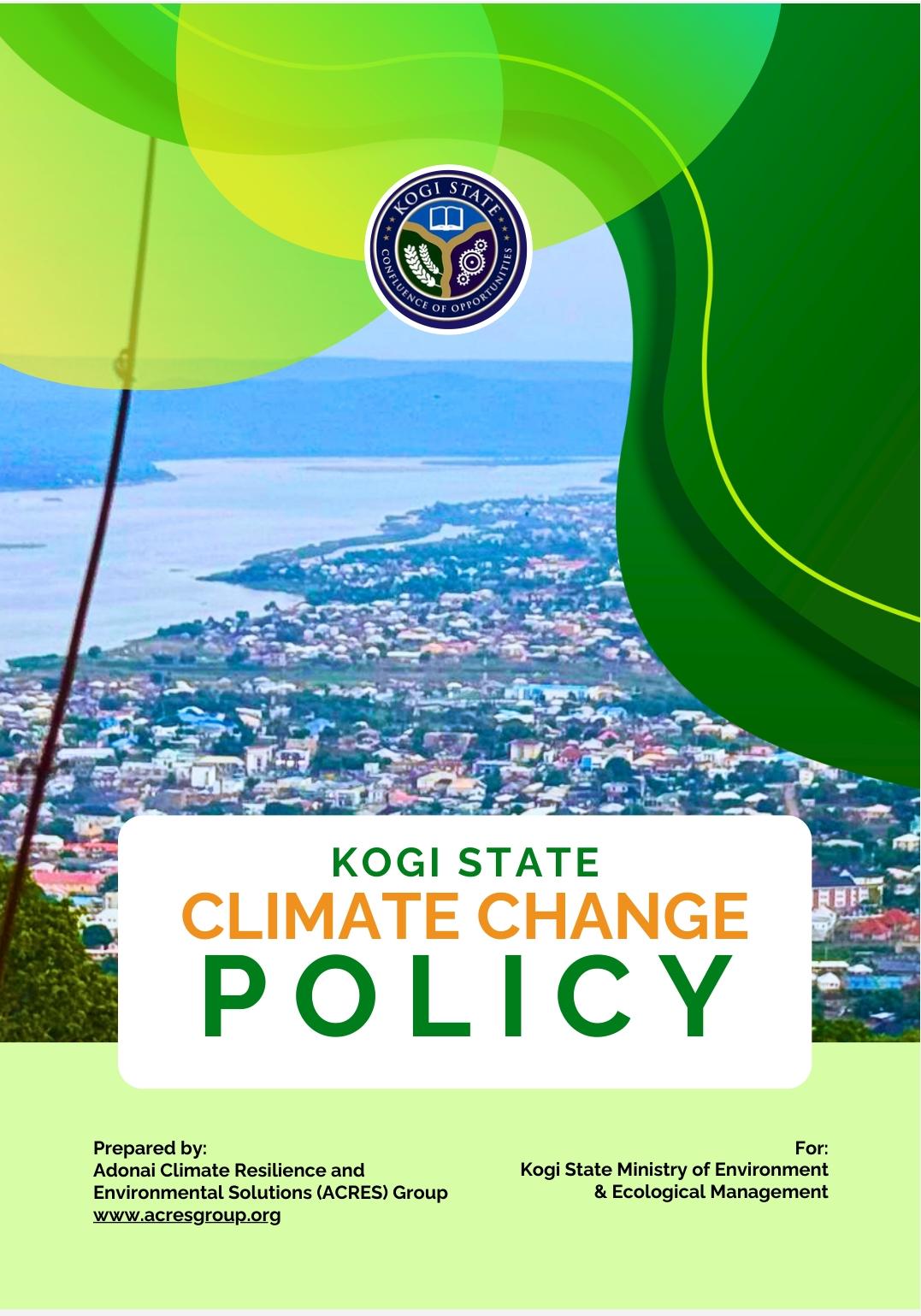
Development of the Kogi State Climate Change Policy Document
ACRES Group led the development of the Kogi State Climate Change Policy Document, providing strategic policy support and technical expertise to strengthen the state's climate governance framework.
The project focused on enhancing climate resilience, supporting sustainable development planning, and aligning subnational climate action with national and global environmental objectives. Completed in 2025.